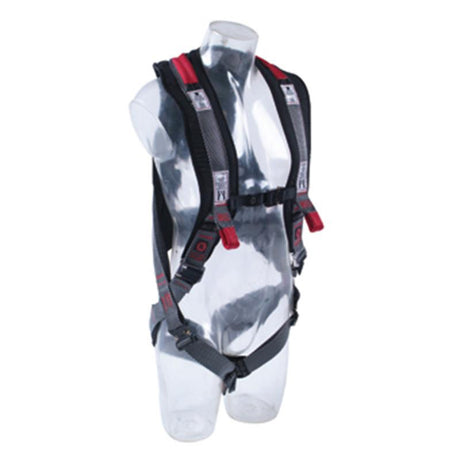
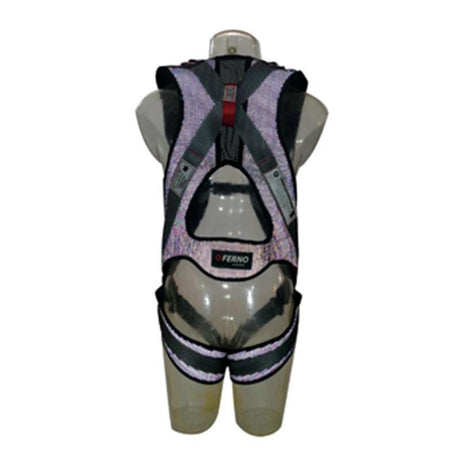
The Range of Safety Harnesses at Absafe
Different tasks and industries require different harness requirements. Absafe has the full range of harnesses for every application, from everyday fall arrest to technical rope access and rescue.
Fall Arrest Harnesses
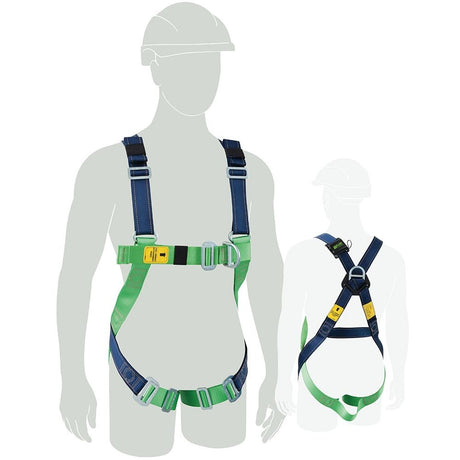
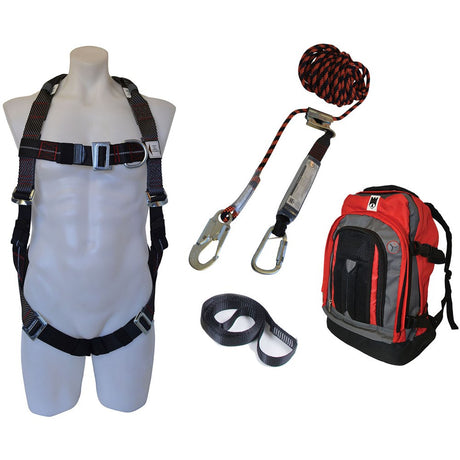
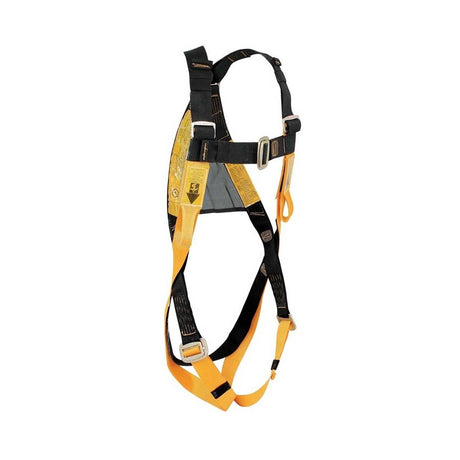
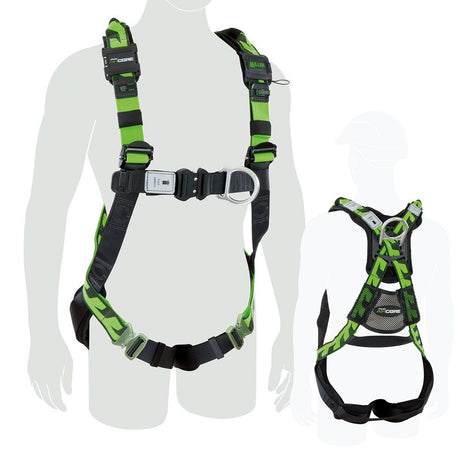
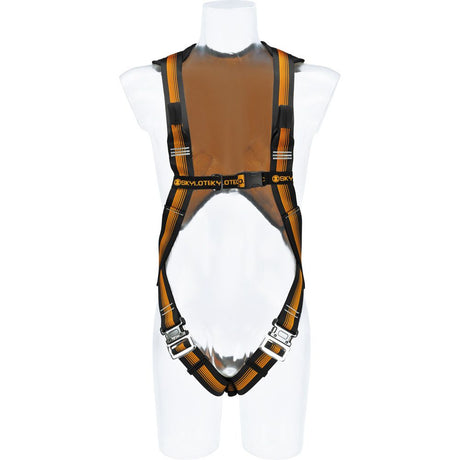
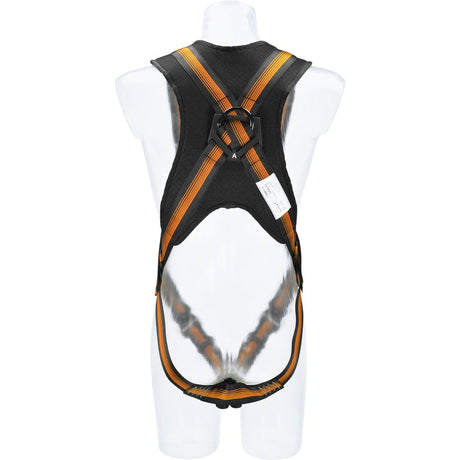
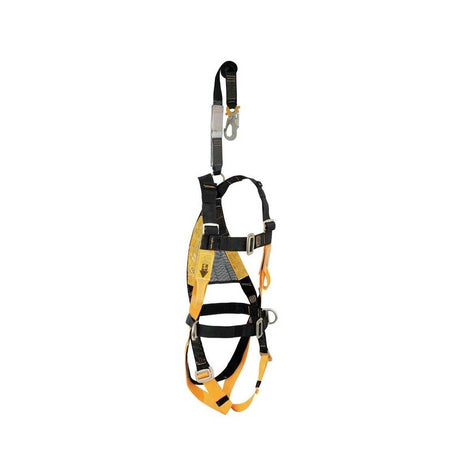
The most widely used option in the Australian industry is a fall arrest harness. It's designed to stop a worker safely during a fall, distributing the forces across the thighs, chest and shoulders to help reduce the risk of serious injury.
Features:
- Dorsal D-ring.
-
Compatible with shock-absorbing lanyards and self-retracting lifelines.
- Available in standard and hi-vis configurations.
- Models for general industry, construction, and heavy-duty applications.
Under AS/NZS 1891.4, shock absorbers are required when a free fall of more than 0.6 metres is possible.
Confined Space & Miner Harnesses
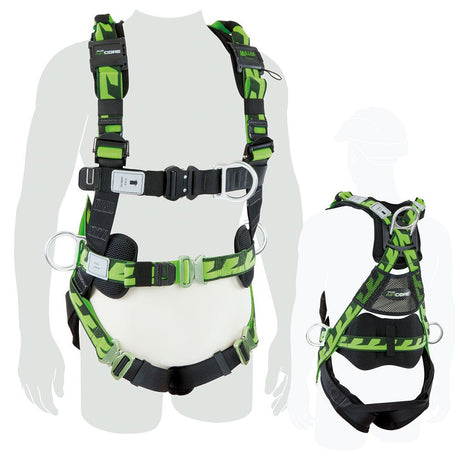
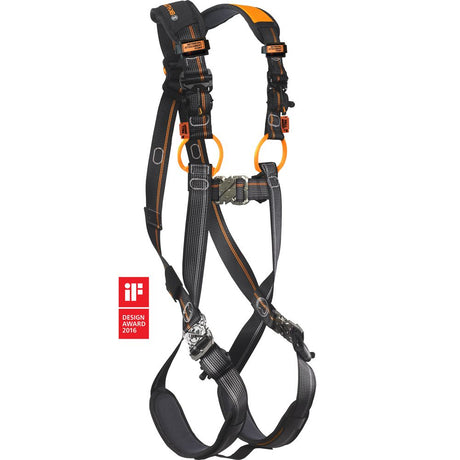
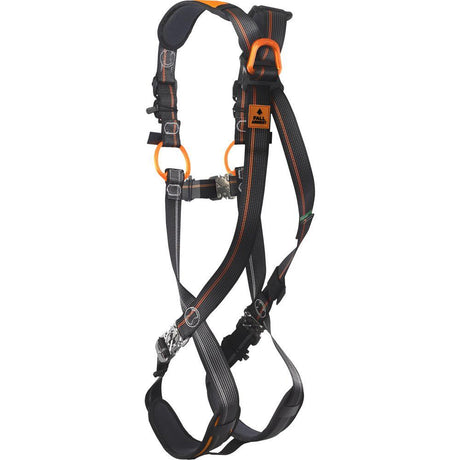
Confined space harnesses include shoulder retrieval rings in addition to the standard dorsal D-ring, allowing a casualty to be lifted vertically out of a shaft, tank, or vault by a tripod or davit retrieval system.
Features:
- Shoulder retrieval D-rings for vertical extraction.
- Sternal D-ring for rescue and rope systems.
- Dorsal D-ring for fall arrest during confined space entry.
Confined space harnesses are used in manholes, tanks, silos, tunnels, underground mining, sewers, and utility vaults.
Rescue Harnesses
Rescue harnesses are designed for rescue personnel. They support the wearer during entry into and extraction from hazardous environments and are used in conjunction with rescue devices, descenders and haul systems.
Features:
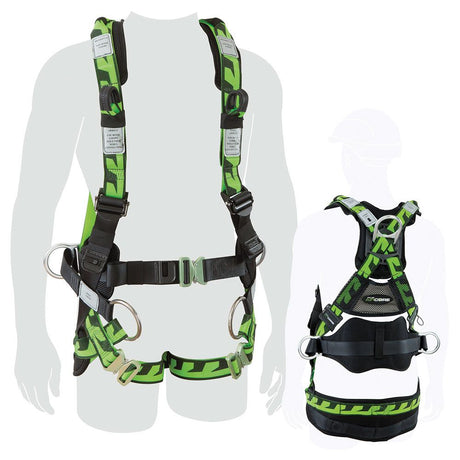
- Multiple D-rings for attachment in different rescue orientations.
- Reinforced construction for the additional loads involved in rescue operations.
- Compatible with rescue rope systems, including both single and twin-rope configurations.
- Can be integrated with additional padding for extended wear during complex operations.
Rescue harnesses are used by emergency response, confined-space rescue, industrial rescue, and rope access rescue teams.
Riggers Harnesses
Riggers harnesses are purpose-built for structural steel and rigging work. Workers can move across high structures, climb, and work in multiple positions throughout a shift.
Features:
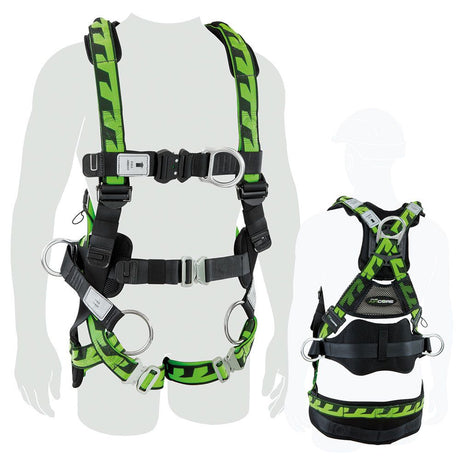
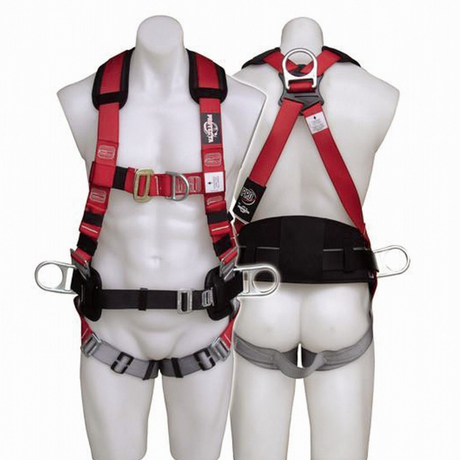
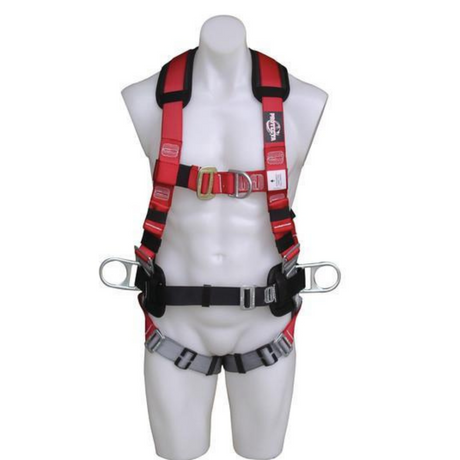
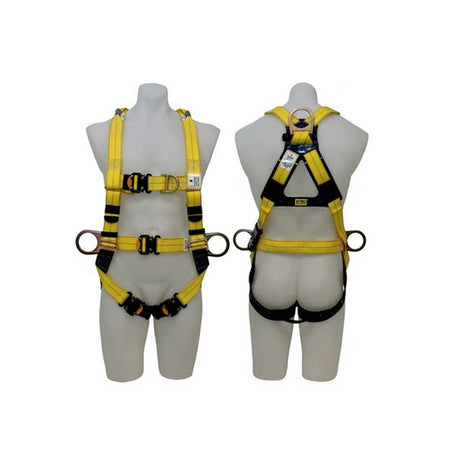
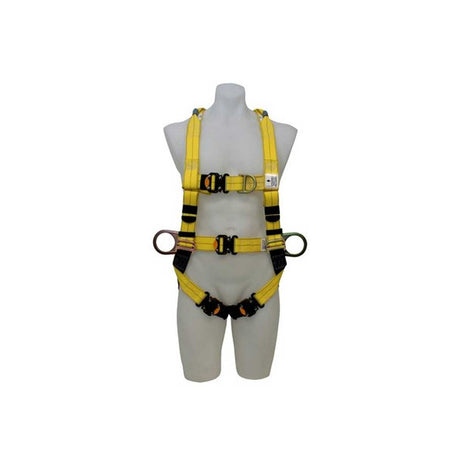
- Multiple D-rings (dorsal, sternal, side) for flexibility across rigging tasks.
- Sturdy construction suited to the physical demands of steel work and rigging.
- Padding and ergonomic design for comfort throughout long shifts in physically demanding conditions.
- Tool loops and attachment points for equipment.
Roofer Harness Kits
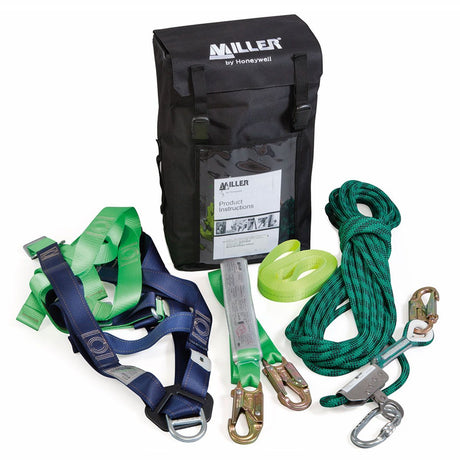
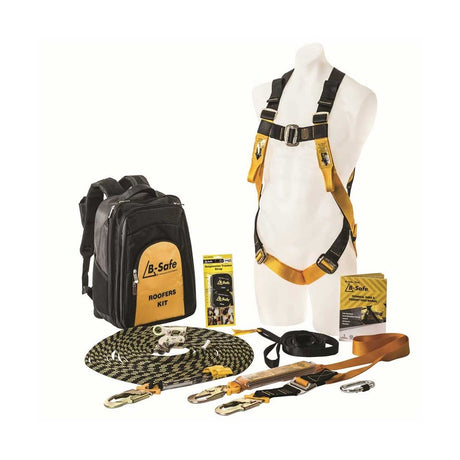
Roofer kits include a fall arrest harness, anchors, lanyards, and harness accessories needed for roof work.
Features:
- Harness, lanyard, and anchor components matched to work together.
- Sized and configured for the typical demands of pitched and flat roof work.
- Compliant with AS/NZS 1891 as a complete system.
- Available in kits for single workers or in trade packs.
Roofer kits are a great option for roofing contractors and tradespeople who need a complete, compliant setup without sourcing compatible components separately.
Rope Access Harnesses
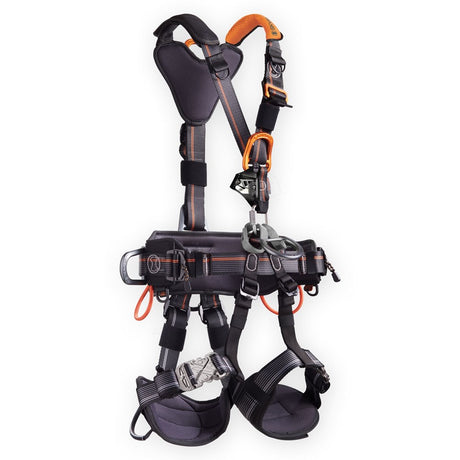
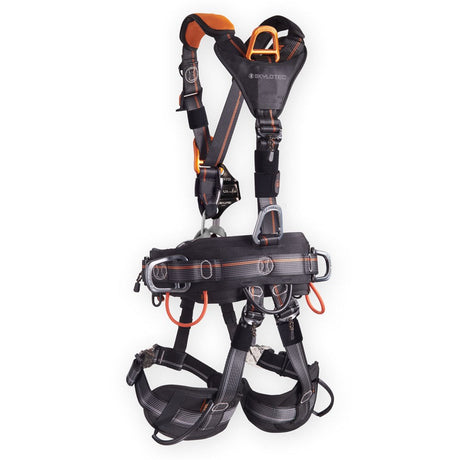
Rope access harnesses are designed for workers descending, ascending, or traversing structures via rope. They must meet the requirements of AS/NZS 1891.1 (industrial fall arrest) and AS/NZS 4488 (industrial rope access).
Features:
- Central sternal D-ring and dorsal D-ring for primary and secondary rope attachment.
- Side D-rings for work positioning while suspended.
- Ventral (front lower) attachment point on some models for ascending systems.
- Designed for prolonged suspension: wider leg loops, additional padding, and suspension trauma prevention features.
- Compatible with rope access equipment, including descenders, ascenders, and positioning lanyards.
Rope access harnesses are for certified rope access technicians only. IRATA or equivalent certification is required before use.
Tower Harnesses
Tower harnesses are designed for workers climbing lattice towers, monopoles, and communications structures.
Features:
- Multiple D-rings for climbing, positioning, and fall arrest.
- Designed for prolonged vertical climbing and extended periods of work at height, with ergonomic leg loops and a flexible construction.
- Integrated fall arrest and positioning functionality to reduce equipment changes at height.
- Compatible with fall arrest devices designed for use on vertical ladders and tower structures.
Tower harnesses are used in conditions that combine climbing, positioning, and fall-arrest demands within a single shift.
Buy Reliable Safety Harnesses Online
Absafe has been supplying safety equipment to Australian workplaces since 2002. Our team has over 150 years of combined experience and is well-versed in harness selection and compliance.
Our harness range covers every application from everyday fall arrest to rescue and rope access, with options across all major harness types and budgets. We also stock the compatible equipment you need to complete your height safety system, including lanyards, anchors, and harness accessories.
Browse the full range online and feel free to contact us with any questions. Our knowledgeable team can help you match the right product to your work environment and compliance requirements.
FAQs
1. What is the difference between a fall arrest and a work positioning harness?
A fall arrest harness is designed to catch a worker who has already fallen. It arrests the fall and distributes the arresting force across the body.
A work positioning harness keeps the worker in position while they work – typically leaning back against a lanyard attached to side D-rings, with both hands free. It does not arrest a free fall on its own.
At Absafe, you can buy full-body harnesses that combine both functions, with dorsal D-rings for fall arrest and side D-rings for positioning.
2. How do I choose the size of a safety harness?
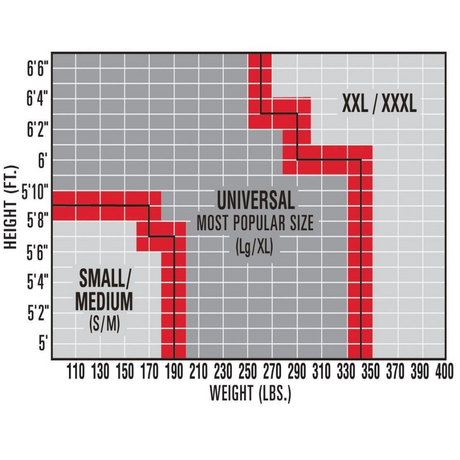
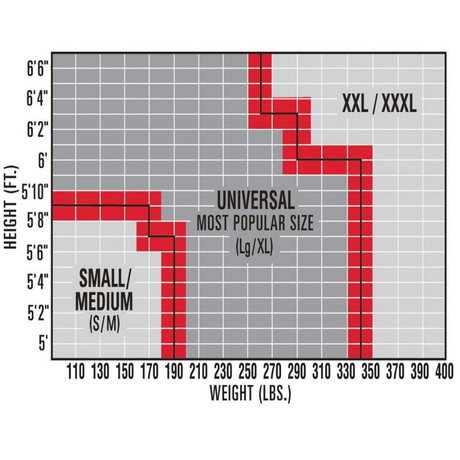
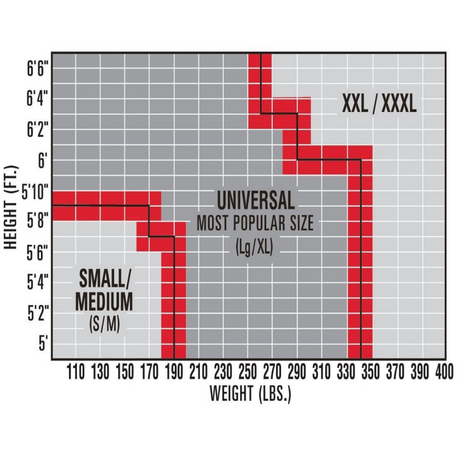
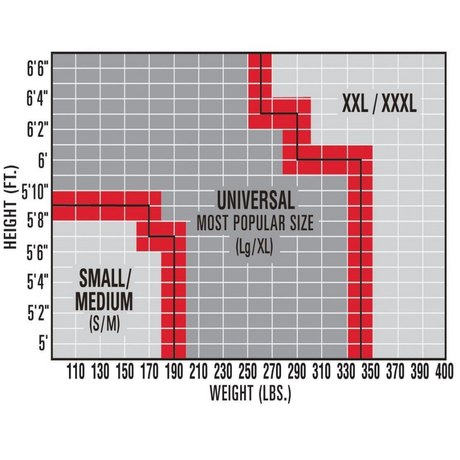
Size a harness by chest circumference and weight. Most manufacturers provide sizing charts based on these measurements.
When fitted correctly, the dorsal D-ring sits between the shoulder blades, the leg loops fit snugly without restricting movement, and all straps are adjusted firmly with no excessive slack.
Where possible, try on a harness before purchasing, and check the fit while wearing the same workwear and PPE you'll use on site.
3. How often should a safety harness be inspected?
Before each use, visually inspect all webbing, buckles, D-rings and stitching. Personal fall arrest equipment must also be inspected by a competent person at intervals not exceeding six months in accordance with AS/NZS 1891.4:2025.
Any harness that has arrested a fall must be removed from service immediately. Do not use it again until it has been inspected by a competent person and deemed safe for continued use. If it cannot be certified as safe, it must be permanently retired.


 Up to 20% off